Practical office rental planning for businesses building workspaces around everyday operations

OFFICE RENTAL ROUTE: PRIVATE SUITES · TEAM WORKSPACES · MEETING AREAS · FLEXIBLE TERMS
Office rental process
Choosing a professional office involves more than finding a room with enough desks. We look at how the complete workspace needs to function, considering team capacity, privacy, collaboration, meetings, storage, infrastructure, visitor access and the flexibility required as business operations develop. Each stage helps turn broad requirements into a clearer workspace direction that is practical, cohesive and easier to evaluate before committing to a rental arrangement.
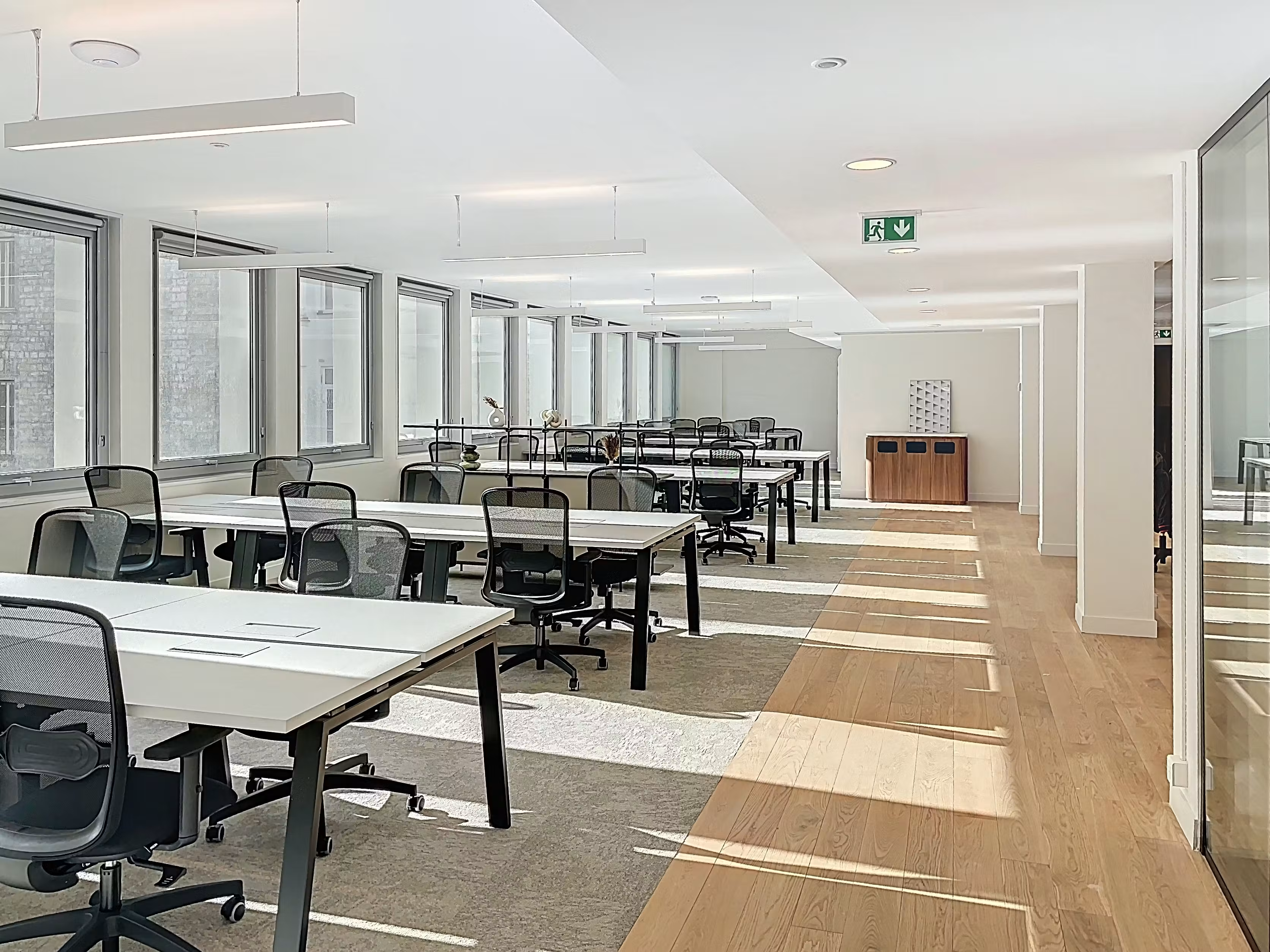
We begin by looking at the business as a whole: approximate team size, working schedules, required desk capacity, meeting activity, privacy expectations, equipment, storage and visitor needs. Understanding these conditions creates a practical foundation for comparing workspace formats and identifying the features an office must provide.
Professional offices need to support real working routines. We consider whether the primary needs are focused individual work, team collaboration, confidential conversations, client meetings, presentations, flexible schedules or a combination of several activities, then organize those requirements into clearer workspace relationships.
Once the operational framework is clearer, we compare private offices, team suites, flexible workspaces and meeting-focused environments. The aim is to connect desk arrangements, shared facilities, meeting capacity, privacy and circulation into a workspace format that reflects the way the business actually operates.
The final review looks beyond the immediate move. We consider changing team size, future staffing, rental flexibility, infrastructure, storage, equipment requirements and how different workspace areas will continue to support the business as its daily operations and responsibilities evolve.
RentDesk approaches office rental planning as a combination of professional environment and everyday business practicality. We do not treat an office as a collection of desks or recommend workspace formats without considering how the team will actually use them. Each recommendation starts with operational requirements and aims to create a clearer relationship between focused work, collaboration, meetings, privacy, infrastructure and the flexibility a business may need as its working model develops.