Practical workspace options for businesses seeking privacy, productivity and room to operate
OFFICE WORKSPACE OPTIONS: PRIVATE SUITES · TEAM ROOMS · FLEXIBLE DESKS · MEETING AREAS

Office types

Explore workspace formats designed around different ways businesses operate

An office can be highly private and focused, open and collaborative, compact for a small team or structured around meetings and shared business activity. Choosing the right workspace format helps connect desks, private rooms, meeting areas, storage and common facilities into a practical environment instead of treating every requirement as a separate decision. Explore these office types to understand which arrangement could support your team's current workflow and future requirements.

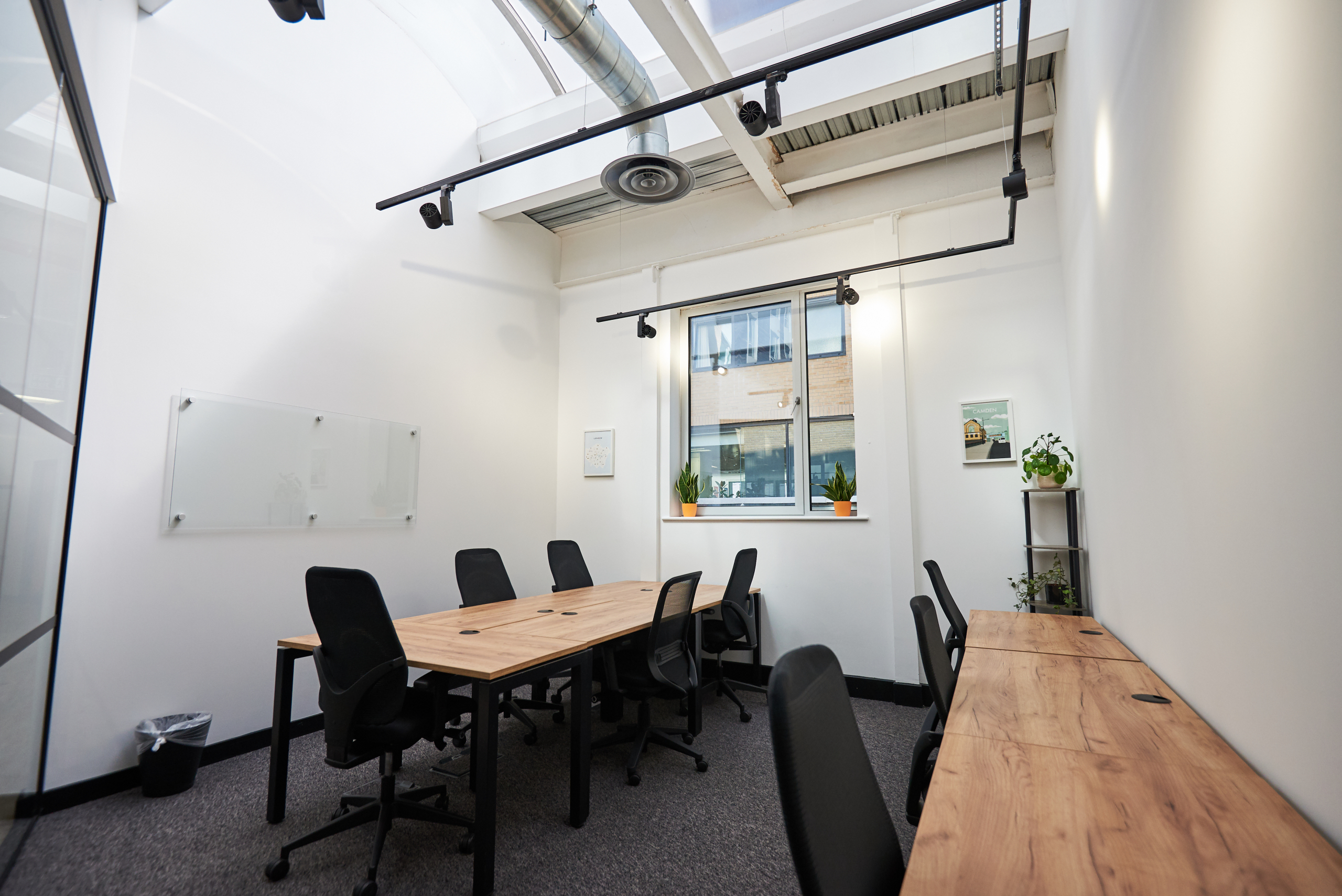
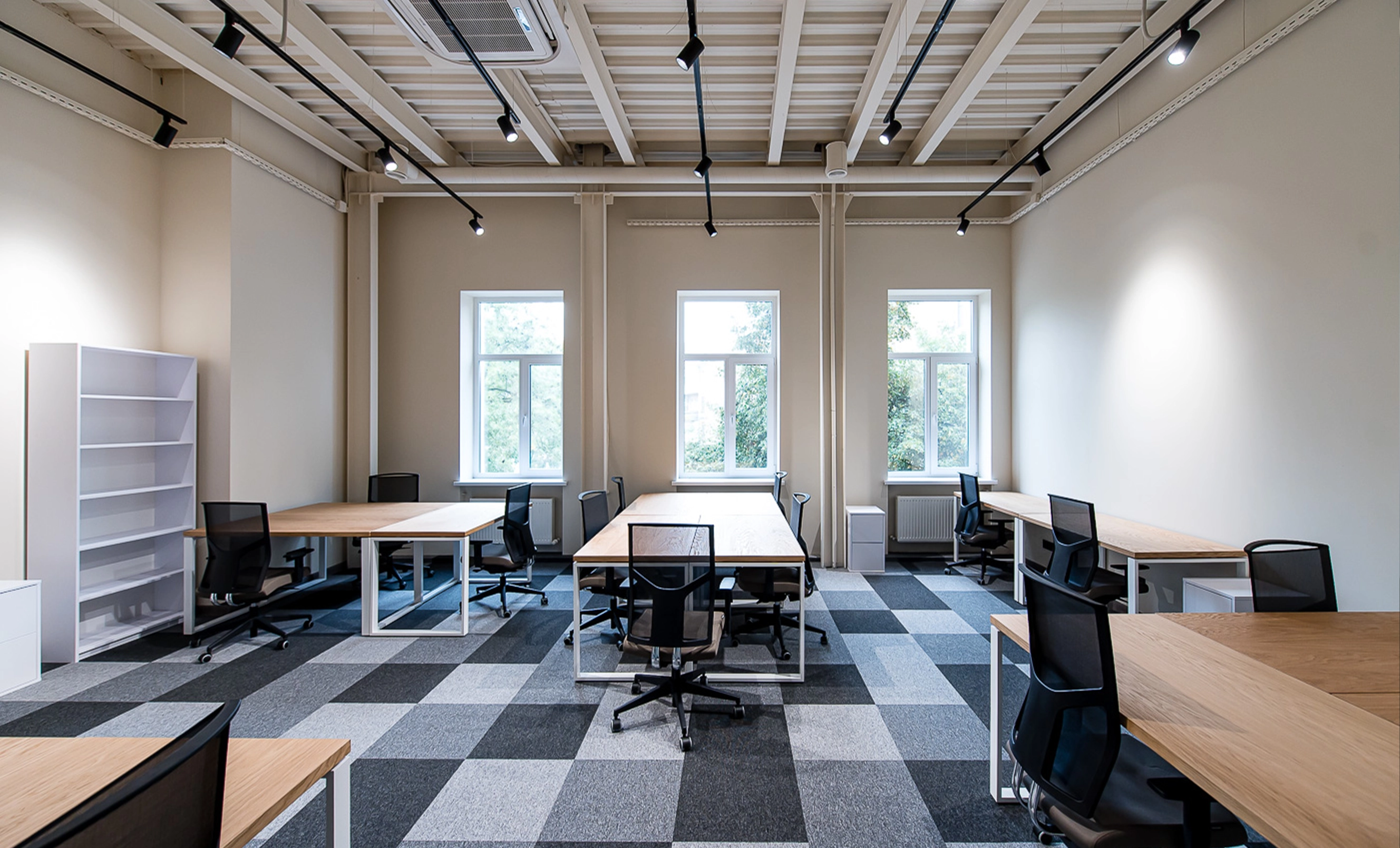
Professional office workspace with organized desks, private areas and a carefully planned business layout

Browse by workspace format

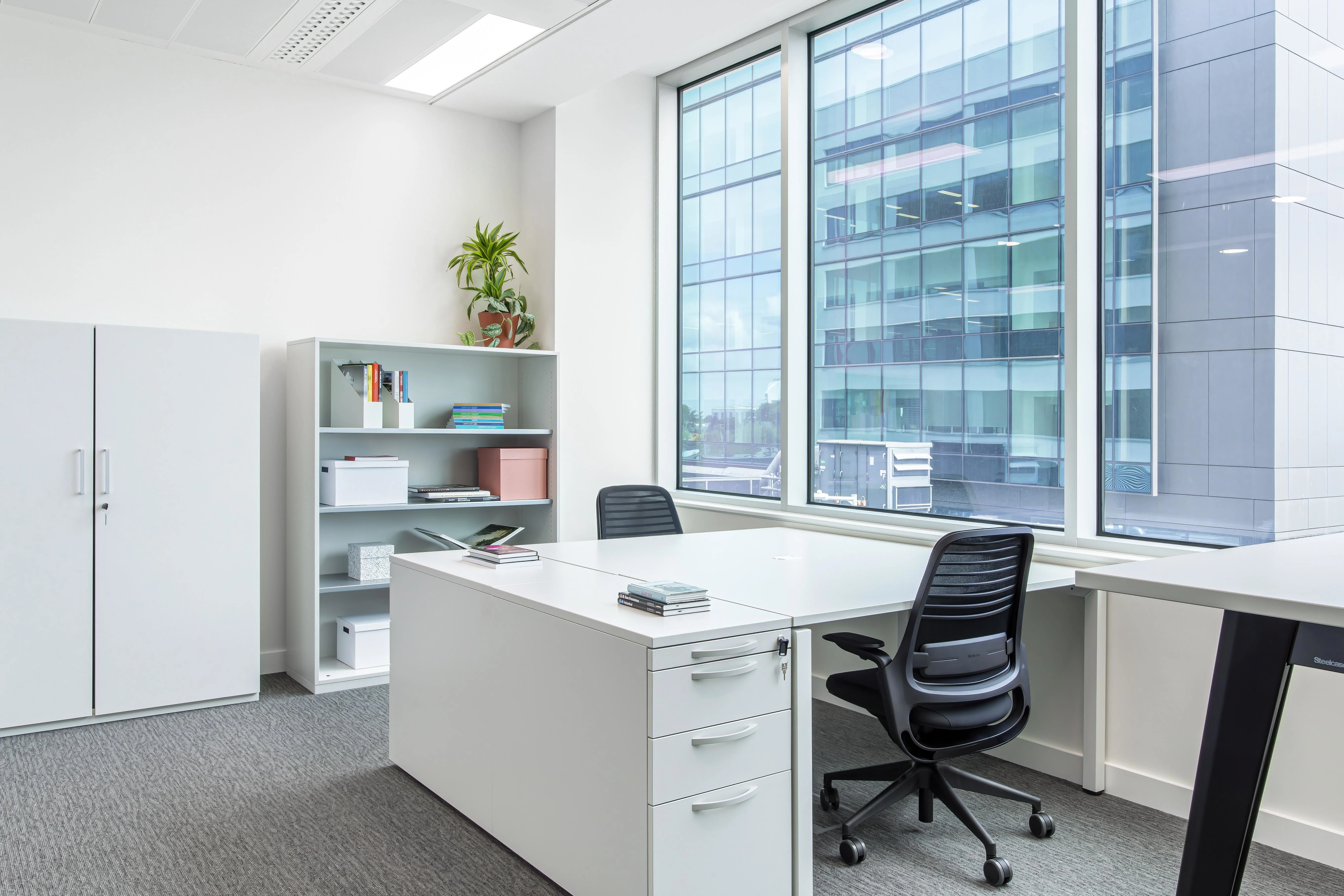
Private office with individual workstations, professional furnishings and a focused business environment

Private offices

Private office spaces are suited to businesses that need a dedicated environment for focused work, confidential conversations and predictable day-to-day operations. An enclosed workspace can provide greater control over interruptions while giving employees a clear place to concentrate, handle calls, organize documents and meet when privacy matters.

  • Use dedicated rooms to separate concentrated individual work from busier shared office activity.
  • Arrange desks, storage and essential equipment around the actual responsibilities and working habits of the team.
  • Consider meeting access, visitor requirements and shared facilities so the private office remains practical for everyday business use.
Office workspace questions

How much privacy does the team actually need?

Some businesses rely heavily on quiet individual work and confidential conversations, while others benefit from open collaboration. Considering calls, meetings, concentration and visitor activity helps determine the right balance between private rooms and shared workspace.

How should different office areas connect?

Desks, meeting rooms, storage, reception areas and shared facilities work more effectively when their positions support the way employees and visitors move through the office. Thoughtful connections can make the workspace easier to navigate and reduce unnecessary interruptions during the working day.

How much flexibility should influence the rental choice?

Team size, schedules, projects, equipment requirements and future hiring can all affect workspace needs. Considering these factors before selecting an office can help businesses choose a rental arrangement that remains practical as everyday operations develop.